

Spending
1. What Is Spending Behavior and Why It Matters
Spending behavior refers to how you manage money—what you buy, how much, and when. It’s influenced by income, needs, wants, values, emotions, habits, environment, and social pressures. Understanding it matters because it directly affects your financial health, happiness, and quality of life.
Key aspects include:
- Spending personality: Saver, spender, planner, impulsive, etc.
- Spending triggers: Emotions, social influence, boredom, stress.
- Spending habits: Automatic behaviors like tracking expenses or impulse shopping.
- Spending goals: Specific, measurable, time-bound objectives for financial control.
2. How Emotions, Beliefs, and Habits Affect Spending
Your spending isn’t purely rational. Psychological factors shape your choices:
- Emotions: Happiness, sadness, stress, or anger can drive purchases.
- Beliefs: Ideas about money (e.g., “money equals happiness”) influence spending patterns.
- Habits: Daily routines or automatic behaviors guide spending without conscious thought.
Strategies to improve behavior:
- Manage emotions: Avoid shopping in extreme emotional states; use non-monetary coping strategies.
- Challenge beliefs: Replace unhelpful assumptions about money with realistic ones.
- Change habits: Identify cues and rewards behind spending habits and create healthier alternatives.
3. Identifying Your Spending Style
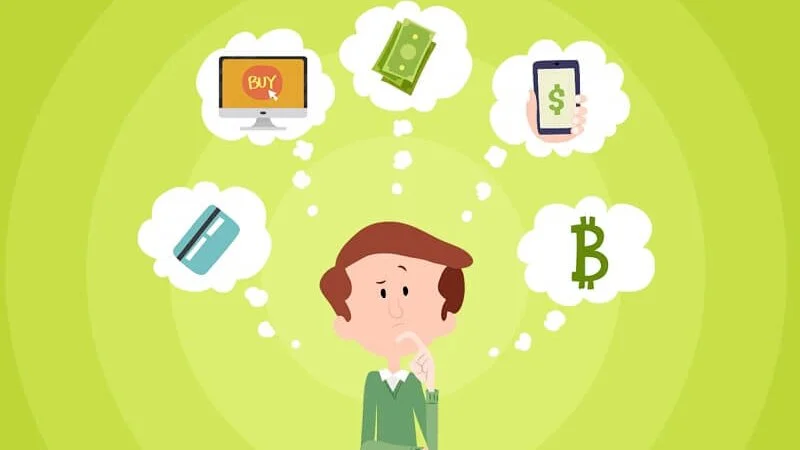
Knowing your spending style helps balance behavior with financial goals. Common types:
- Saver – Pros: Financial security; Cons: May miss enjoyable experiences.
- Spender – Pros: Happiness from purchases; Cons: Low savings, risk of debt.
- Avoider – Pros: Low stress; Cons: Financial neglect, future problems.
- Worrier – Pros: Financially cautious; Cons: Anxiety, low satisfaction.
- Giver – Pros: Fulfillment, positive impact; Cons: Low personal savings.
Most people combine styles; the goal is alignment with values and financial reality.
4. How Spending Affects Your Life
Spending behavior impacts:
- Financial health: Overspending reduces savings, increases debt.
- Well-being: Money spent on meaningful experiences increases satisfaction; frivolous spending increases stress.
- Relationships: Shared financial goals strengthen bonds; conflicting habits can cause tension.
5. Benefits of Improving Spending Habits

Better spending habits lead to:
- Financial stability – Prioritize essential expenses, reduce debt.
- Goal achievement – More funds for long-term objectives.
- Reduced stress – Greater confidence and control over finances.
- Increased savings – More money for investments and emergencies.
- Improved relationships – Less financial conflict, more shared responsibility.
6. Practical Guide: Budget, Track, and Save
Steps to take control:
- Assess finances – Income, expenses, and debts.
- Set financial goals – Short-term and long-term.
- Create a realistic budget – Include income, fixed/variable expenses, and savings.
- Track expenses – Use apps or notebooks to monitor spending.
- Identify problematic patterns – Impulse buys, subscriptions, eating out.
- Prioritize essentials – Allocate money for necessities first.
- Practice mindful spending – Pause before purchases, compare options.
- Automate savings – Pre-authorized transfers to savings accounts.
- Seek accountability – Share goals with a trusted person or community.
- Celebrate milestones – Reward progress responsibly.
7. Overcoming Obstacles and Setbacks
Challenges include:
- Temptations: Avoid impulse buys; delay decisions.
- Peer pressure: Communicate goals; find like-minded friends.
- Emotional spending: Use journals, mindfulness, or professional support.
- Unexpected expenses: Build emergency funds, flexible budgets, review insurance.
8. Take Action
To improve your spending behavior:
- Track every expense.
- Set SMART goals (Specific, Measurable, Achievable, Relevant, Time-bound).
- Create a spending plan and follow the 50/30/20 rule: 50% needs, 30% wants, 20% savings.
- Review and adjust monthly.
Key takeaway: Spending wisely allows you to control money, achieve goals, reduce stress, and improve quality of life. Start today—your financial future depends on it.