
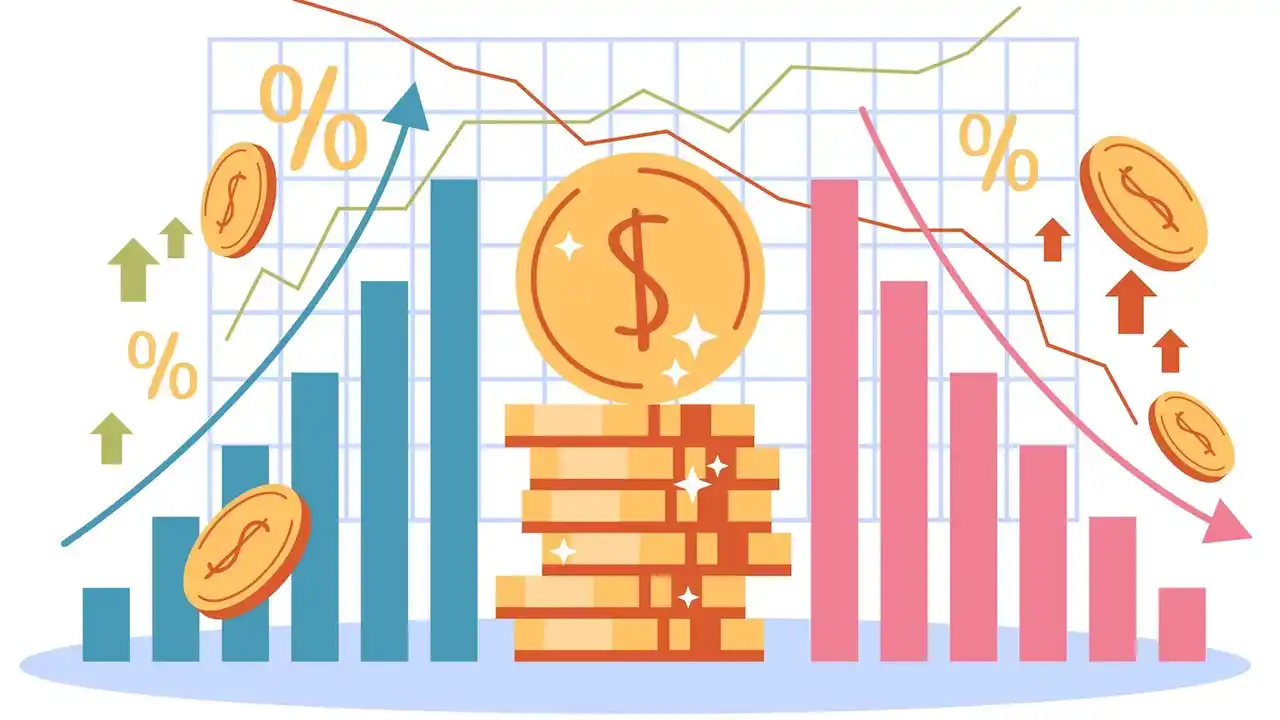
7 Inflation Hacks to Beat Rising Costs and Stay Financially Strong
Rising living costs are no longer a distant concern—they are part of everyday life. From groceries and rent to utilities and education, inflation steadily reduces your purchasing power. The key is not to fight inflation directly, but to adapt your financial strategy so it works with changing conditions rather than against them.
Below are seven practical, actionable strategies to help you stay in control and protect your financial goals.
1. Grow Your Income Strategically
When costs rise, your income must keep pace—or ideally, outpace inflation. Relying on a single income stream can limit your financial flexibility.
You can improve your earning capacity by negotiating a salary increase, building high-value skills, or taking on side income opportunities such as freelance work, online services, or gig economy roles. The objective is to create upward pressure on your income so inflation becomes less impactful over time.
2. Invest to Generate Passive Income
Saving alone is often insufficient during inflationary periods because cash loses value over time. Investing allows your money to compound and potentially outgrow inflation.
Consider diversified assets such as stocks, ETFs, bonds, or real estate depending on your risk tolerance. Even small, consistent investments can build meaningful long-term wealth through compounding. The emphasis should be on consistency rather than timing the market.
3. Cut Non-Essential Expenses
Reducing unnecessary spending is one of the fastest ways to regain financial control. Inflation magnifies wasteful habits, making small leaks in your budget more damaging.
Evaluate your lifestyle critically. This may involve limiting luxury purchases, reducing subscriptions, or choosing cost-efficient alternatives like public transport instead of owning a car. The goal is not deprivation, but intentional spending aligned with your priorities.
4. Optimize Utility and Daily Costs
Utilities and recurring expenses often increase quietly over time. Managing them efficiently can yield consistent savings.
You can lower costs by using energy-efficient appliances, reducing water consumption, and selecting service plans that match your actual usage. Bundling services or leveraging discounts can also reduce monthly bills without sacrificing quality of life.
5. Refinance High-Interest Debt
Debt becomes more expensive in high-interest environments. If you carry loans with unfavorable terms, refinancing can reduce your financial burden.
Look for opportunities to secure lower interest rates or more flexible repayment structures. However, always evaluate associated fees and penalties before making changes. A well-structured debt strategy improves cash flow and reduces long-term costs.
6. Spend Smarter on Big Purchases
Large expenses—especially travel—can be optimized with better timing and planning.
Booking flights in advance, choosing off-peak travel days, or considering alternative routes can significantly reduce costs. The same principle applies to other major purchases: timing and research can create meaningful savings.
7. Use Bartering and Alternative Exchange

Not every need requires cash. Bartering—exchanging goods or services—can eliminate expenses entirely.
This approach works particularly well within communities or online platforms where unused items can be traded. It not only saves money but also increases resource efficiency.
Bonus: Use Insurance as Financial Protection
Insurance is often overlooked as an inflation strategy, but it plays a critical role in protecting against rising long-term costs—especially healthcare and education.
Plans with increasing payouts or flexible coverage adjustments can help maintain your financial stability as expenses grow over time. Proper insurance planning ensures that inflation does not erode your safety net.
Final Perspective
Inflation is unavoidable, but its impact is manageable. The combination of higher income, disciplined spending, smart investing, and protective planning creates a resilient financial system.
The objective is not just to survive rising costs, but to build a structure where your finances remain stable—and even grow—regardless of economic conditions.