

Money
Saving money is crucial for long-term stability, yet many struggle to do so. The challenge lies not just in resources, but in psychological, emotional, and social factors that influence our financial behaviors.
Key Psychological Factors
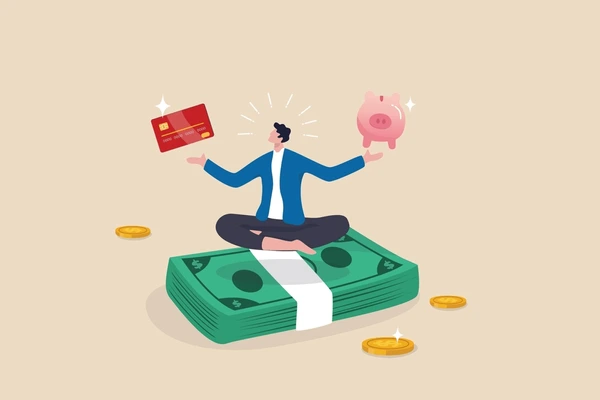
- Instant Gratification vs. Long-Term Goals
Humans naturally prefer immediate rewards over delayed benefits—a phenomenon known as delay discounting. Early research, like the classic marshmallow experiment, demonstrates that the ability to delay gratification predicts better financial, academic, and health outcomes. Neurologically, the ventral striatum drives immediate reward seeking, while the prefrontal cortex governs planning and self-control, often causing a conflict that challenges consistent saving. - Digital Economy and Present Bias
Modern technology amplifies temptation. Online shopping, instant credit, and subscriptions encourage spending now rather than saving for the future, strengthening present bias and undermining long-term financial planning. - Mental Accounting and the House Money Effect
People categorize money differently depending on source or intended use.
- House Money Effect: Money received unexpectedly (like bonuses or tax refunds) is often treated as “extra” and spent rather than saved.
- Mental Accounts: Allocating funds for specific purposes (vacation, bills, retirement) can aid budgeting but may distort overall savings priorities.
- Cognitive Biases
- Present Bias: Prioritizing immediate rewards over future needs.
- Overconfidence: Overestimating future income or savings ability, leading to procrastination.
- Anchoring: Overemphasizing initial information (like item cost) over long-term goals, causing inaction in saving.
- Emotions and Financial Anxiety
Emotional states, particularly anxiety, fear, or guilt, affect saving behavior. Financial anxiety may trigger avoidance (ignoring budgets) or impulsive spending, undermining savings. - Socioeconomic Status (SES)
Lower SES often forces short-term financial decisions to meet immediate needs, limiting the ability to save. Higher SES provides stability and resources for forward-looking planning. - Social and Cultural Influences
- Social Comparison: Peer spending habits can pressure individuals to prioritize consumption over saving.
- Cultural Attitudes: Individualistic cultures emphasize personal savings and financial independence, while collectivist cultures may rely on shared resources, influencing saving behavior.
Practical Strategies to Improve Saving

- Automate Savings: Set up automatic transfers to reduce temptation.
- Reframe Goals: Focus on long-term rewards rather than immediate sacrifices.
- Financial Mindfulness: Recognize emotional triggers and make deliberate choices.
- Social Accountability: Share saving goals with supportive friends or family to maintain discipline.
Summary
Saving is not purely a financial exercise—it is shaped by psychological, emotional, and cultural factors. Understanding instant gratification, mental accounting, cognitive biases, and emotional influences helps explain why saving is difficult for many. By addressing these internal and external factors, individuals can develop strategies to enhance saving behavior, build financial stability, and improve long-term security.